Leave the Giraffe Alone
The Gentle Art of Knowing When to Stop
I was recently reminded of the moment in Ted Lasso that stuck with me. Roy Kent is at his niece Phoebe’s school when he notices something odd about the paintings being prepared for an art fundraiser.
One class has produced recognisable, charming children’s paintings. Another has produced blobs, smears and the artistic equivalent of a small explosion in a Dulux factory.
He asks why.
Phoebe’s teacher, Ms Bowen, explains that she takes the paintings away from her students before they can f**k them up. They hate it, but they know it’s for the best. And right there, I think she may have identified one of the most underappreciated capabilities at work.
Knowing when to stop.
We are very good at continuing
You know how this works. Someone writes a crisp two-page paper. A bit more context is suggested … Fair enough. Then someone wants the history. Someone else wants more data. Then comes a framework. Then some strategic alignment. And eventually somebody utters the words: “Could we just add…”
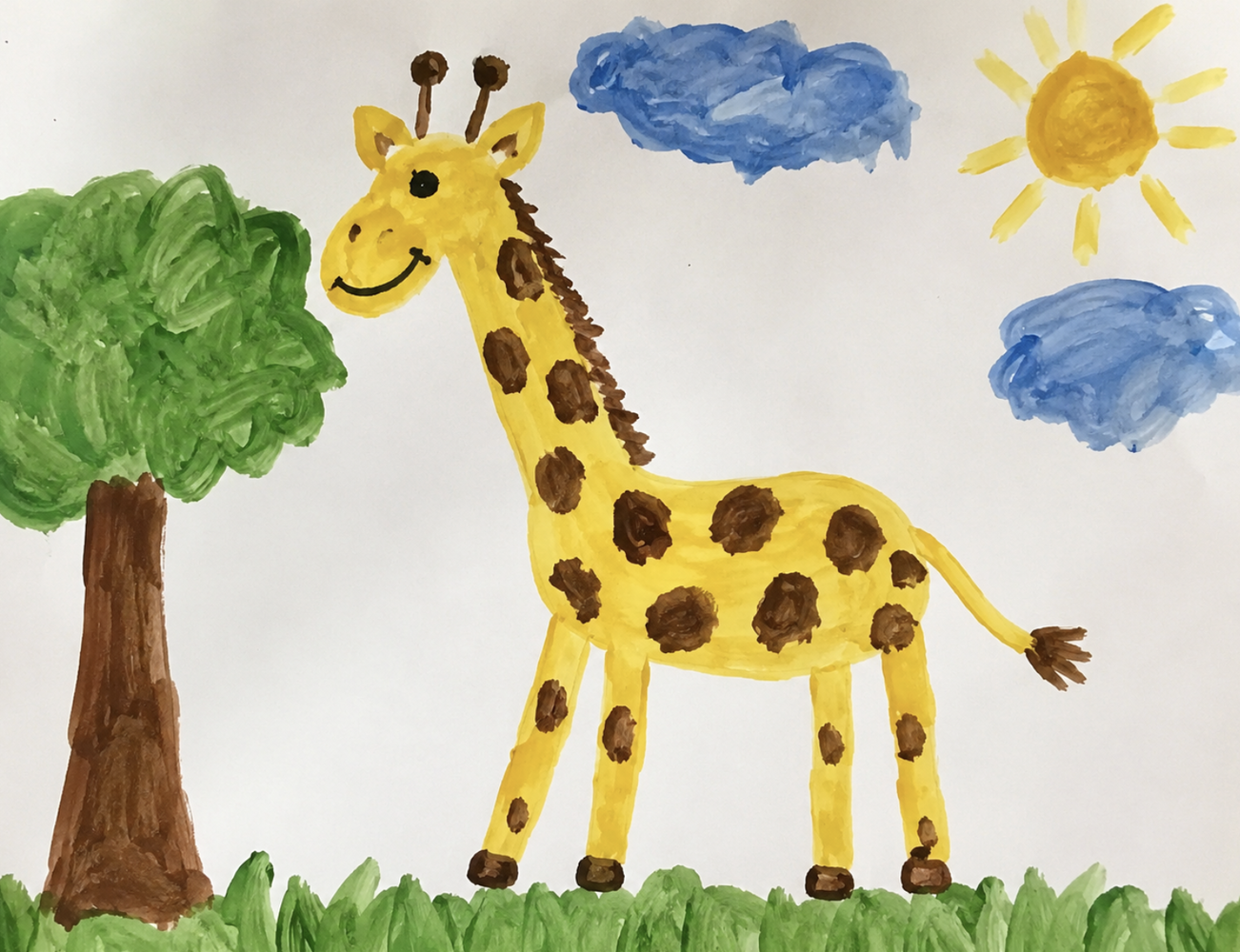
Three weeks later, the two-page paper is 17 pages long, has four diagrams and an appendix, and nobody can quite remember what decision they were supposed to be making. The giraffe has become a brown smear. Someone needed to take the painting away.
I do it to myself
I don't need a committee to ruin perfectly good work. I'm quite capable of doing it on my own. I rewrite the paragraph that was fine yesterday. I keep fiddling with the presentation. I add another example. I move things around, put them back, and then move them somewhere else. At some point, I'm no longer making the work better. I'm just stuffing it up.
When you're very close to something, it's surprisingly difficult to recognise when you've crossed that line. We talk a lot about improving our work. Perhaps recognising when to stop improving it is just as important.
I do it to other people
This gets more consequential when the painting belongs to somebody else.
Someone brings you a piece of work. It's good. It isn't exactly how you would have done it, but it works. And then you start helping. Could we tweak this? Have you thought about that? I'd probably phrase this differently. Maybe add something here.
Marshall Goldsmith calls this “adding too much value.” It's a habit particularly common among successful people. Someone brings us an idea and, because we can see a way to make it 5% better, we can't resist contributing. The problem is that our little improvement can come at the expense of something much more important: their ownership.
Now it's not quite their giraffe anymore. It's our giraffe. And we've taught them that bringing us good work isn't enough. They need to bring us work and wait while we put our fingerprints on it. That takes away more of their pride and motivation than the 5% improvement you suggested.
Leaders are particularly vulnerable
Leadership makes this temptation even harder to resist. After all, we're supposed to add value. People bring things to us because they want our judgment. And the more senior we become, the easier it is to mistake having the authority to change something for there being a good reason to change it.
Imagine someone asking for your feedback and you saying: “This is good. Don't change anything.”
It can feel suspiciously like you haven't done your job. But perhaps that's sometimes exactly what good leadership looks like. Not making the work more like yours. Not finding something to demonstrate your expertise. Not adding another cloud to the giraffe. Just having enough judgment to recognise good work when you see it — and enough restraint to leave it alone.
And organisations reward us for doing it
This behaviour doesn't come from nowhere. Intervention is visible. Restraint isn't.
Six comments on a document look like contribution. A redesigned process looks like progress. Another governance layer looks like rigour. A new framework looks like serious thinking.
Saying “This already works. Leave it alone” produces considerably less evidence that you've been busy. So we create organisations that are very good at starting, adding, reviewing, consulting, iterating and improving. And surprisingly bad at stopping.
We don't just overwork things. We reward each other for overworking them.
Take the painting away
This isn't an argument for lower standards. Ms Bowen doesn't snatch the paper away as soon as a child picks up a paintbrush. She lets them paint. The skill is recognising the moment when further effort is more likely to diminish the work than improve it. That requires judgment. Knowing what good looks like. Knowing what the work is actually for. Knowing the difference between something that matters and something that is simply your preference. And, particularly for leaders, being able to tolerate good work that doesn't look exactly like your work.
We spend a lot of time teaching people how to make things better. Maybe we should spend a little more time learning how to recognise when they're already good. Because sometimes the most valuable thing you can add is nothing. Sometimes the giraffe is fine. Sometimes you need to take the painting away.