
How to stop a bad moment from becoming the whole day.
There is a tiny window at the beginning of a Bad Day. It usually doesn’t announce itself with drama. It’s not thunder, violins, or a cinematic shot of you staring into the middle distance.
It’s more likely to be an email with a tone you don’t like. A meeting that starts badly. A coffee spill. A small mistake. A child, colleague, partner, or printer behaving in ways that suggest they are personally committed to your downfall.
And in that tiny window, something important happens. A bad moment starts applying to become a Bad Day. Not because the moment itself is catastrophic. Usually, it isn’t. The real problem is what we add to it.
“I’m running late” becomes “I’m useless.”
“That meeting was frustrating” becomes “Nobody listens.”
“I made a mistake” becomes “I always mess things up.”
“This is hard” becomes “I can’t cope.”
The first five minutes matter because that is when the story starts to take shape. And once the story forms, we often behave as if it is true. We get sharper. Quieter. More defensive. More avoidant. We send the email we should have drafted. We rehearse the argument. We doomscroll for supporting evidence. We turn one bad moment into a themed event.
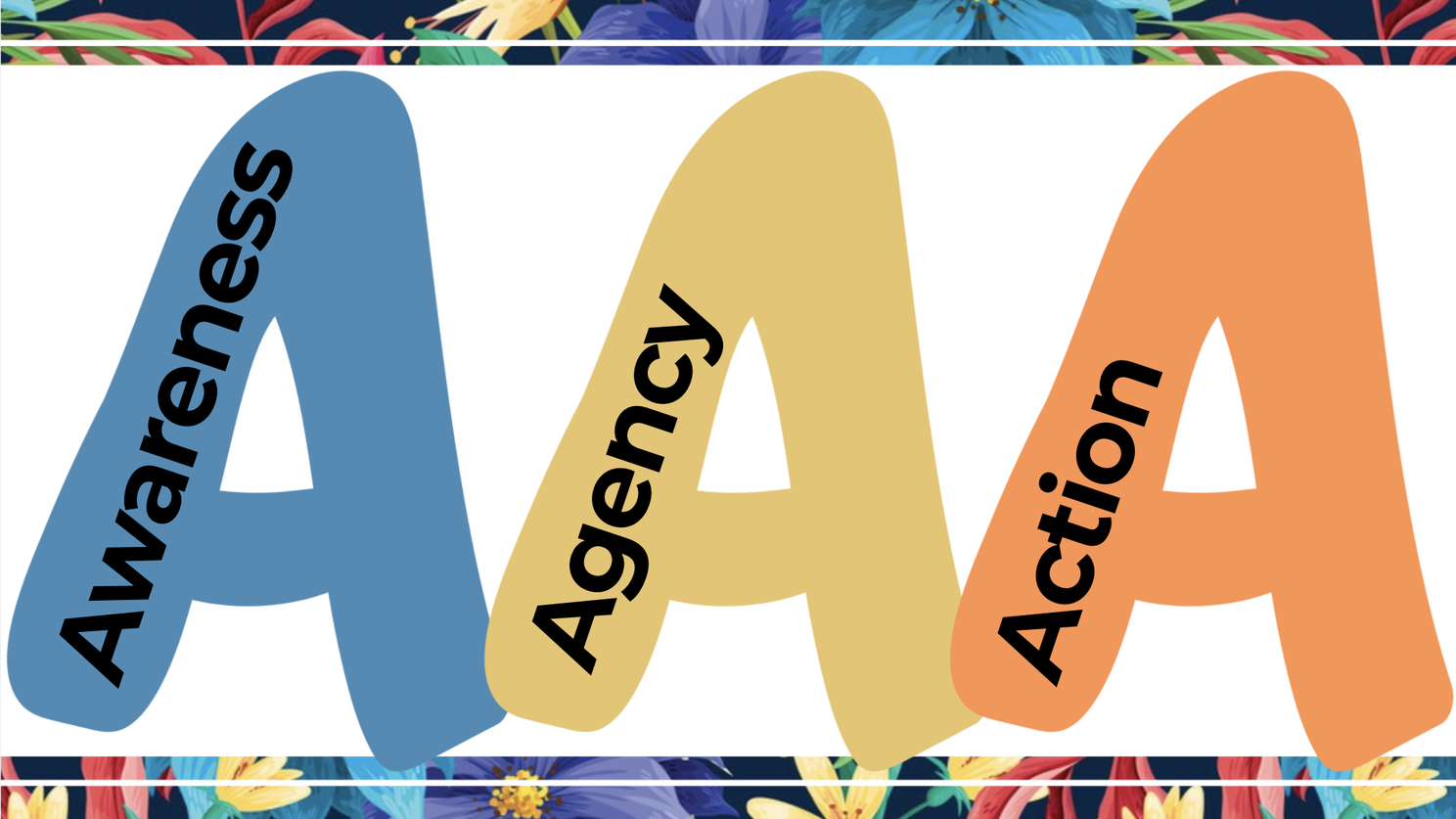
This is where awareness helps. Noticing is the first interruption. You don’t have to fix the day. You just have to name what is happening.
“This has rattled me.”
“I’m spiralling.”
“I’m tired and everything feels bigger.”
“This is a bad moment. I don’t yet know if it’s a bad day.”
That last sentence is small but powerful. A bad moment is weather. A Bad Day is the forecast we start believing.
Once you notice the moment, you get a little more space. And in that space, you get a little more agency.
Agency is not pretending you control everything. That’s not agency; that’s delusion with a colour-coded planner. Agency is asking, “What is still mine to choose?”
Maybe you can choose not to reply yet.
Maybe you could eat something before deciding that your entire career is meaningless.
Maybe you can choose to step outside, ask for help, lower the bar, delay the decision, or take one tiny action that stops the slide.
That is the third piece: action. Not a heroic action. Not a full life reset. Just one small thing that changes the next five minutes.
Drink water.
Stand up.
Write down the facts.
Message someone safe.
Save the email as a draft.
Take three breaths before you speak.
Make toast. Toast is underrated emotional infrastructure.
The action does not have to solve the problem. Its job is to tell your brain, “We are not helpless here.” That matters at work too, especially for leaders. Because bad moments leak. A tense morning can become a sharp reply. A sharp reply can become a strained relationship. A strained relationship can become avoidance, rework, confusion, and three meetings about “ways of working” that somehow make everyone worse.
We don’t need to be cheerful all the time. Please no. Forced cheer is just emotional Spanx. But we do need ways to catch ourselves earlier.
The first five minutes of a bad day are not about becoming calm, wise, and beautifully regulated. They are about interrupting the slide. Try this:
Name it: “This is a bad moment.”
Check it: “What actually happened?”
Question it: “What am I adding?”
Choose: “What is still mine to choose?”
Act: “What would make the next five minutes slightly less awful?”
That’s it. A pause. A breath. A small choice. A better next move. A bad moment may still be a bad moment. But with awareness, agency and one small action, it doesn’t automatically get promoted.